
Every loaf of bread tells a story—but at Lievito Bakery, that story begins long before flour meets water. It starts in the fertile soil of nearby farms, in the careful hands of farmers who’ve spent generations nurturing the land, and in the relationships we’ve built with our local agricultural community.
If you’ve ever wondered where your food truly comes from or felt disconnected from the journey ingredients take before reaching your plate, you’re not alone. In today’s world of anonymous supply chains and industrial agriculture, the gap between farm and fork has never been wider. But it doesn’t have to be that way.
Why Local Sourcing Matters: Beyond the Buzzwords

“Buy local” has become such a common phrase that it’s easy to forget why it matters. But for us at Lievito Bakery, local sourcing isn’t a marketing strategy—it’s a fundamental principle that shapes everything we do.
When we source ingredients locally, we dramatically reduce the carbon footprint of our products. That wheat flour from a mill 30 miles away? It traveled a fraction of the distance compared to commodity flour that might have journeyed from Kansas to a processing facility in another state, then to a distributor, and finally to us. Fewer transportation miles mean less fuel burned, less refrigeration needed, and a significantly smaller environmental impact.
“Local food systems are not just about reducing food miles—they’re about rebuilding the social fabric that connects eaters to the land and to the people who steward it. When we know our farmers by name, we invest in our collective future.” — Dan Barber, Chef and Author of “The Third Plate”
Meet Our Partners: The Farmers Behind Your Bread

Behind every ingredient we use is a real person with a name, a story, and a deep commitment to their craft. Let us introduce you to some of the amazing farmers and producers who make Lievito Bakery possible.
Riverbend Organic Farm has been our primary source for fresh eggs since we opened our doors. Run by the Torres family—second-generation farmers who transitioned to organic practices fifteen years ago—this 40-acre farm raises heritage breed chickens on pasture. Their hens roam freely, eating a diverse diet of insects, grasses, and organic feed. The result? Eggs with deep golden yolks that give our brioche and pastries their rich color and incredible flavor. We visit Riverbend every few months, and the difference between these eggs and conventional ones is immediately visible.
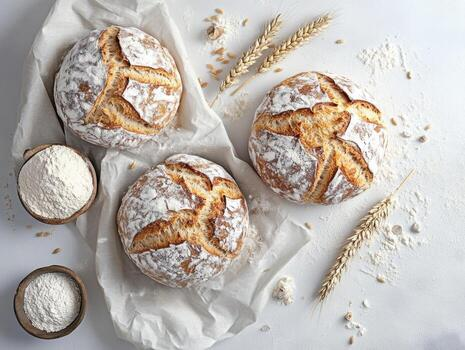
Heritage Mills provides our specialty flours—stone-ground rye, whole wheat, and spelt varieties that form the backbone of our artisan breads. Miller Maria Rodriguez sources grain exclusively from organic farms practicing regenerative agriculture. Unlike industrial roller mills that strip away the germ and bran (and most nutrients), stone-milling preserves the whole grain’s nutritional integrity and complex flavors. Maria grinds our flour to order, meaning it arrives at our bakery within days of milling, at peak freshness.
“When bakers build direct relationships with farmers, everyone benefits. The farmer receives fair prices and recognition for quality. The baker gets superior ingredients and supply chain security. And the customer gets food they can feel good about eating.” — Amy Halloran, Author of “The New Bread Basket”
The True Cost of Sustainability: Why Quality Ingredients Cost More
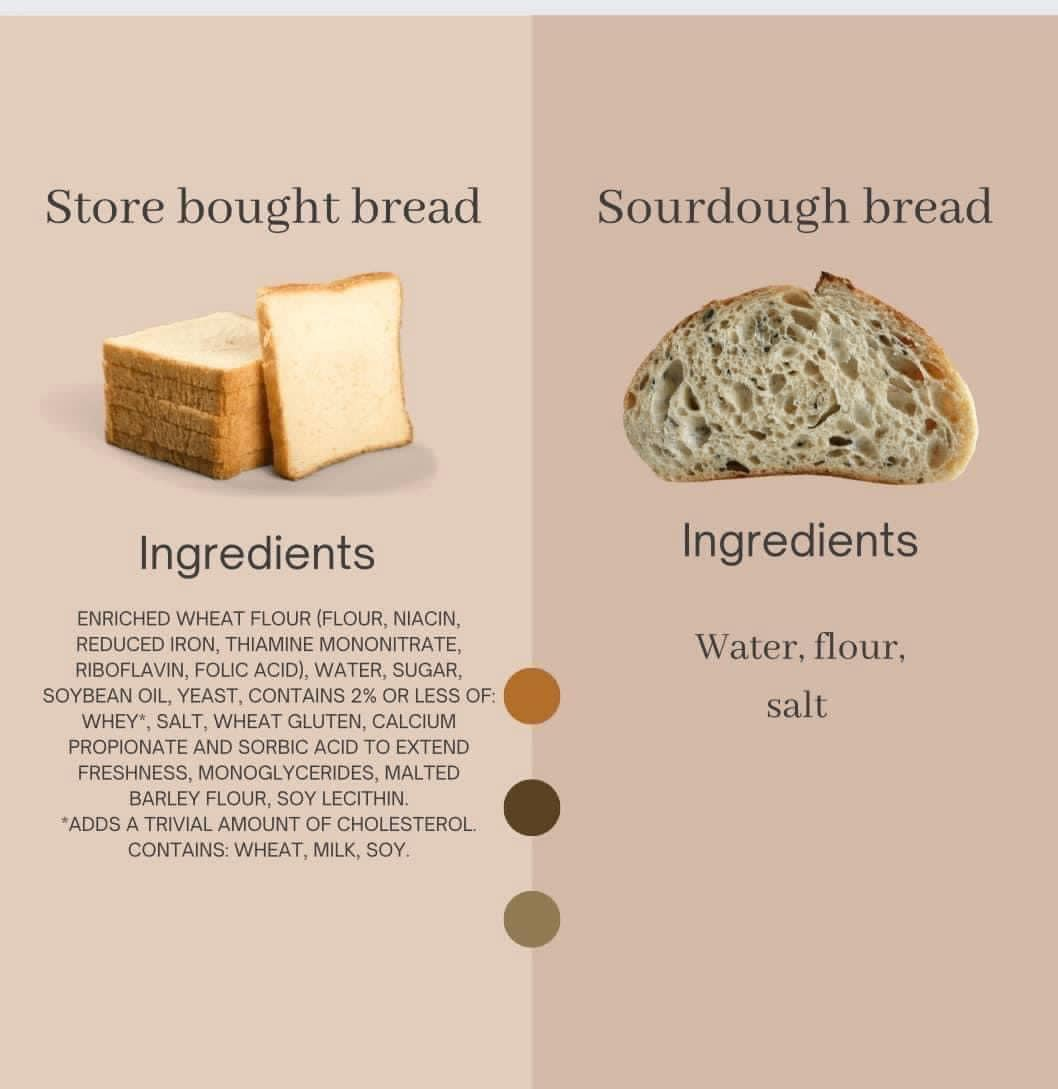
We won’t sugarcoat it—our ingredients cost significantly more than commodity alternatives. Our eggs are three times the price of conventional ones. Our flour costs 40% more than standard bread flour. Our butter? Nearly double the industrial price.
So why do we choose these premium ingredients, and why should you care?
First, let’s talk about what “cheap” food actually costs. Industrial agriculture externalizes many expenses—polluted waterways from chemical runoff, depleted soil requiring ever-increasing fertilizer inputs, loss of biodiversity, greenhouse gas emissions from long-distance transportation, and exploitation of farmworkers receiving poverty wages. When you buy conventionally produced ingredients, you’re not actually paying less—you’re just paying differently, through environmental degradation and social costs that aren’t reflected on the price tag.
How You Can Support Local Food Systems

You don’t have to own a bakery to make a difference in your local food system. Every purchase is a vote for the kind of agriculture and community you want to support. Here are ways you can get involved:
Shop at farmers markets. Direct farmer-to-consumer sales ensure producers receive the full value of their work rather than a fraction after distributors and retailers take their cut. You’ll also discover varieties and products you’d never find in conventional stores.
Ask questions at restaurants and bakeries. Where does your flour come from? Are your eggs local? Which farms do you work with? Businesses respond to customer interest, and your questions signal that sourcing matters to you.
At Lievito, we’re living proof that these principles can work at scale. We’re not a hobby bakery producing a few dozen loaves a week—we’re a full-production operation serving hundreds of customers daily. If we can source locally and sustainably while remaining viable, others can too. But it requires customers who understand value beyond the lowest price, who see their food purchases as investments in community and environment.
We’re not claiming perfection. We still source some ingredients from farther away when local options don’t exist—our chocolate comes from abroad, our vanilla from distant shores. But we’re committed to maximizing our local connections wherever possible and being transparent about where everything comes from.
The future of food doesn’t have to look like anonymous industrial production. It can look like farmers markets and neighborhood bakeries, like knowing your miller’s name and your egg farmer’s favorite chicken breed. It can look like bread that tastes like the place it was grown, like communities investing in their collective nourishment rather than extracting value to enrich distant shareholders.