Artisan Bread vs Store-Bought Bread: What’s the Real Difference?
Bread has been a dietary staple for thousands of years, yet the type of bread most people eat today looks very different from what past generations consumed. In modern grocery stores, shelves are lined with packaged loaves designed for convenience and long shelf life. At the same time, artisan bread has gained renewed attention for its quality, flavor, and traditional production methods.
Understanding the difference between artisan bread and store-bought bread is essential for making informed food choices. From ingredients and production techniques to nutrition and health impacts, these two types of bread vary significantly. This article explores those differences and explains why artisan bread is often considered a more authentic and healthier option.
What Is Artisan Bread?

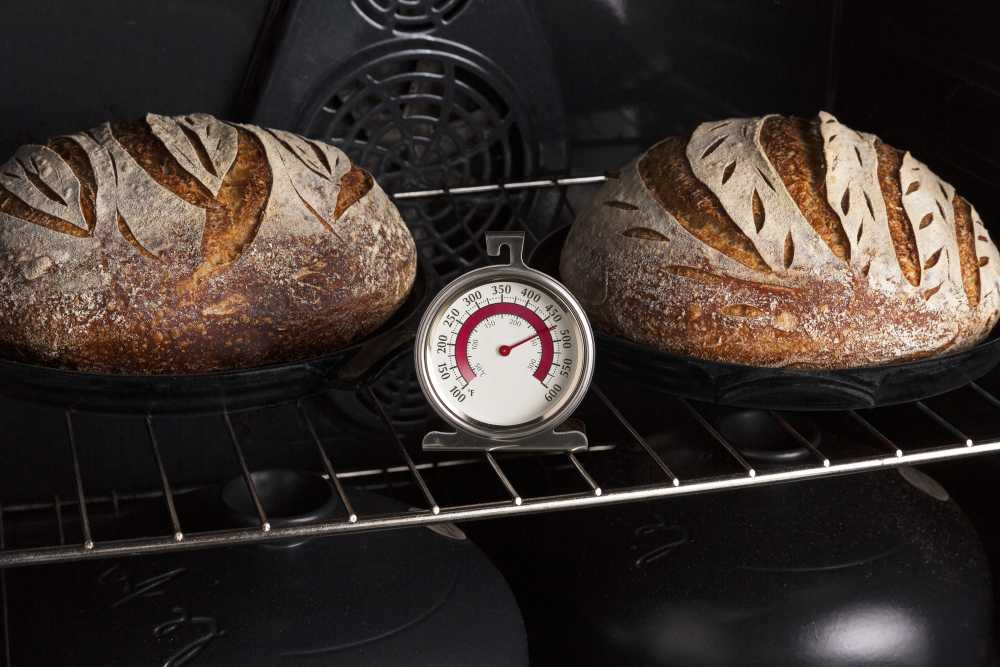
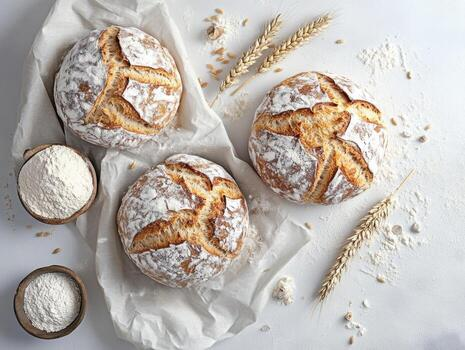
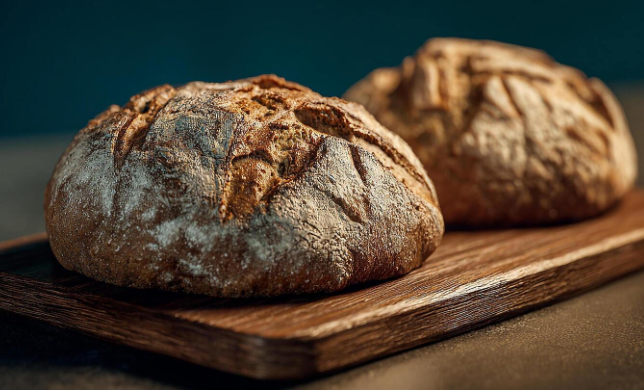
Artisan bread is made using traditional baking methods that prioritize craftsmanship, quality ingredients, and time. It is typically produced in small batches by skilled bakers who focus on flavor, texture, and nutritional integrity rather than mass production.
Most artisan breads are made with just a few simple ingredients: flour, water, salt, and yeast or a natural sourdough starter. The defining characteristic of artisan bread is the slow fermentation process, which allows the dough to develop naturally over many hours or even days.
This fermentation improves flavor, strengthens the dough structure, and enhances digestibility. Artisan bread is often baked fresh daily and sold locally, resulting in loaves with crisp crusts, open crumb structures, and rich, complex aromas.
What Is Store-Bought Bread?

Store-bought bread is manufactured on an industrial scale and designed for consistency, efficiency, and extended shelf life. It is typically produced in factories using automated equipment and accelerated fermentation methods.
To achieve softness, uniform shape, and long-lasting freshness, store-bought bread often contains a wide range of additives. These may include preservatives, emulsifiers, dough conditioners, and added sugars. While these ingredients improve shelf stability and appearance, they often come at the expense of flavor and nutritional value.
Although store-bought bread is convenient and affordable, its production methods differ greatly from traditional baking practices.
Ingredient Comparison: Artisan Bread vs Store-Bought Bread Ingredients
One of the most important differences between artisan bread and store-bought bread lies in their ingredient lists.
Artisan Bread Ingredients
Artisan bread usually contains:
- Flour (often unbleached or whole grain)
- Water
- Salt
- Yeast or natural sourdough starter
These minimal ingredients allow the natural characteristics of the grain and fermentation process to shine through.
Store-Bought Bread Ingredients
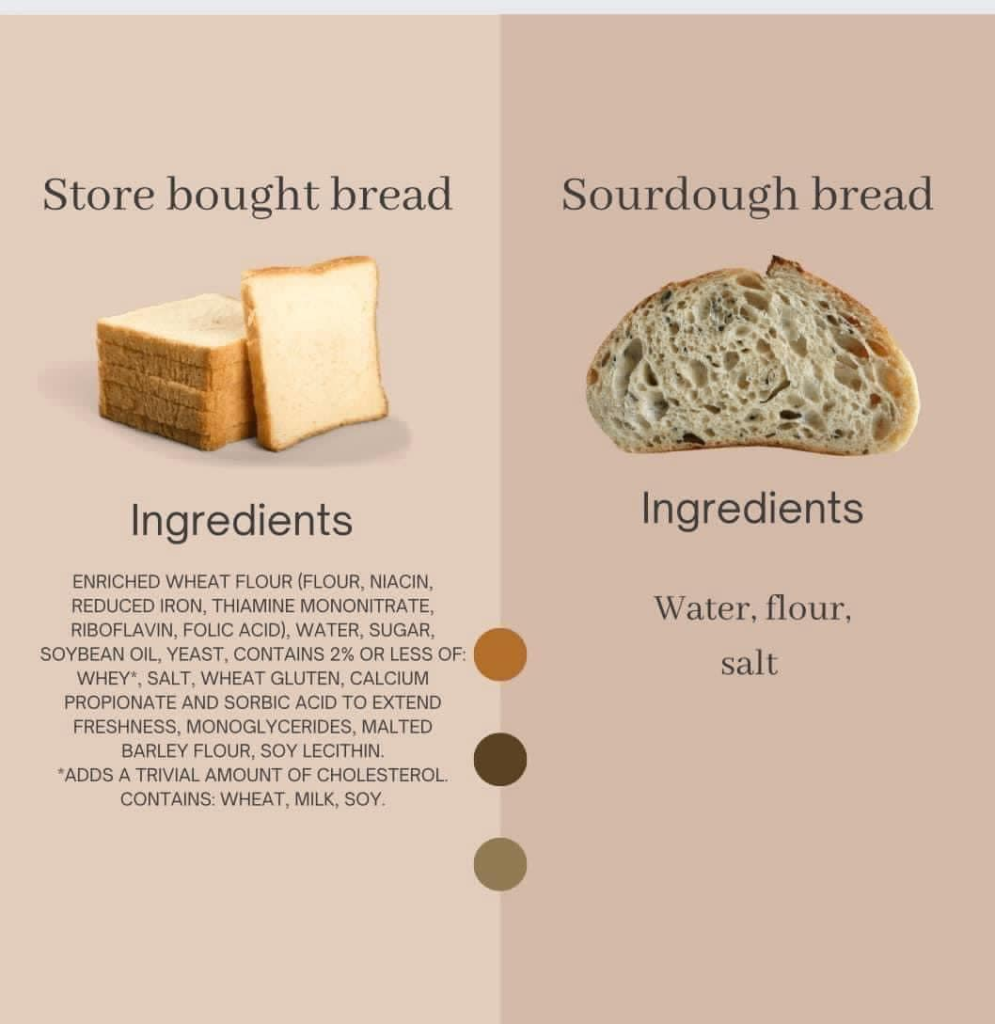
In contrast, store-bought bread ingredients often include:
- Refined flour
- Added sugars or syrups
- Vegetable oils
- Preservatives such as calcium propionate
- Dough conditioners and emulsifiers
- Artificial flavors or coloring agents
Long ingredient lists are a strong indicator of heavy processing. Many additives are included not for nutrition but to enhance shelf life, softness, and appearance.
Ready to taste the difference? take a look to our new blog post for more information!!!
Production Methods and Fermentation
Artisan Bread Production
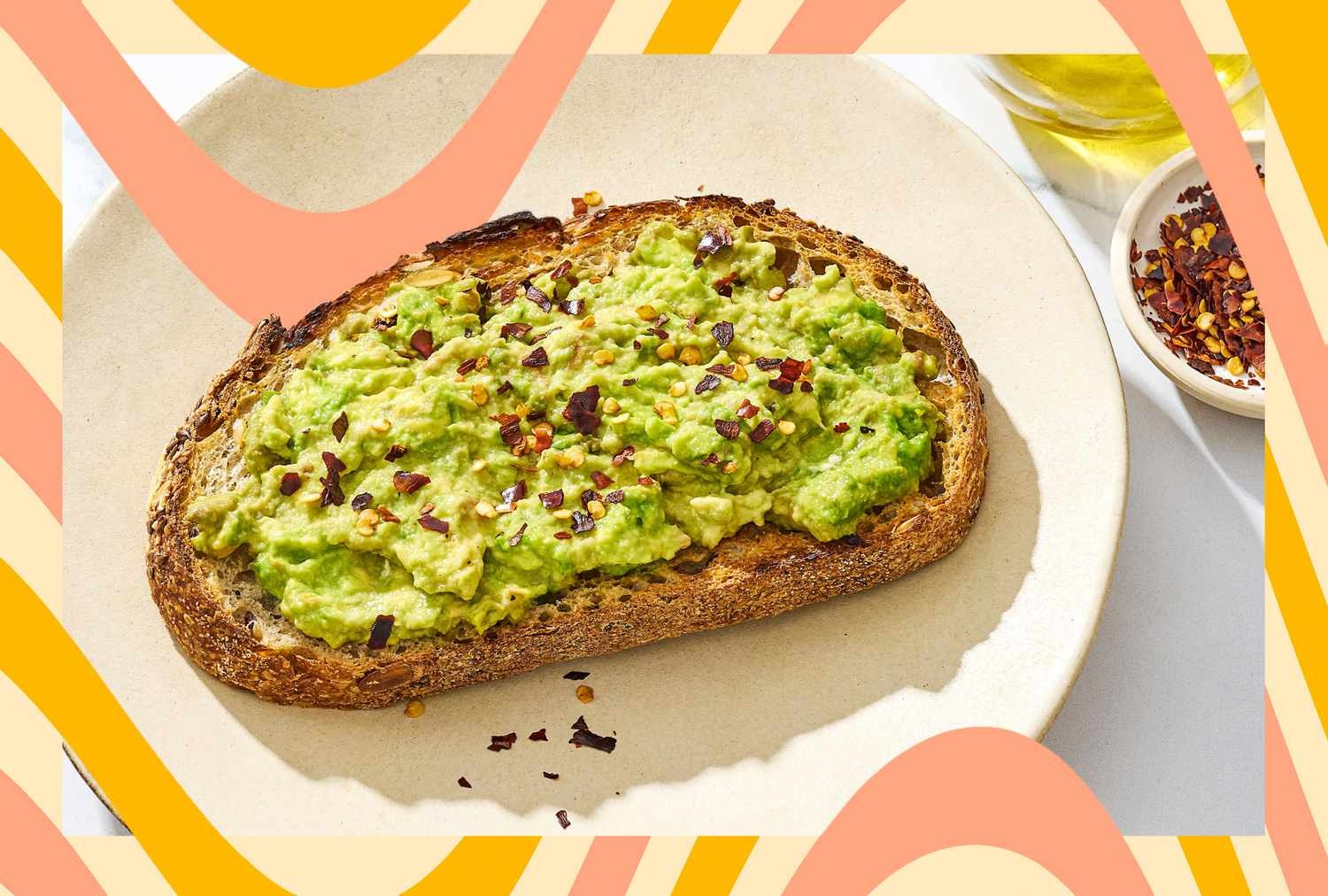
Artisan bread is made using slow fermentation, which allows yeast and naturally occurring bacteria to break down carbohydrates and proteins over time. This process improves flavor complexity and nutrient availability while reducing compounds that can interfere with digestion.
Because artisan bread is mixed, shaped, and baked with care, each loaf has a unique character. The slower pace of production prioritizes quality over quantity.
Store-Bought Bread Production
Industrial bread production uses fast-rising yeast and chemical enhancers to shorten fermentation time. What might take an artisan baker 24 hours can be completed in a factory in less than two.
This speed increases efficiency but limits flavor development and reduces the nutritional benefits associated with natural fermentation.
Nutritional Differences
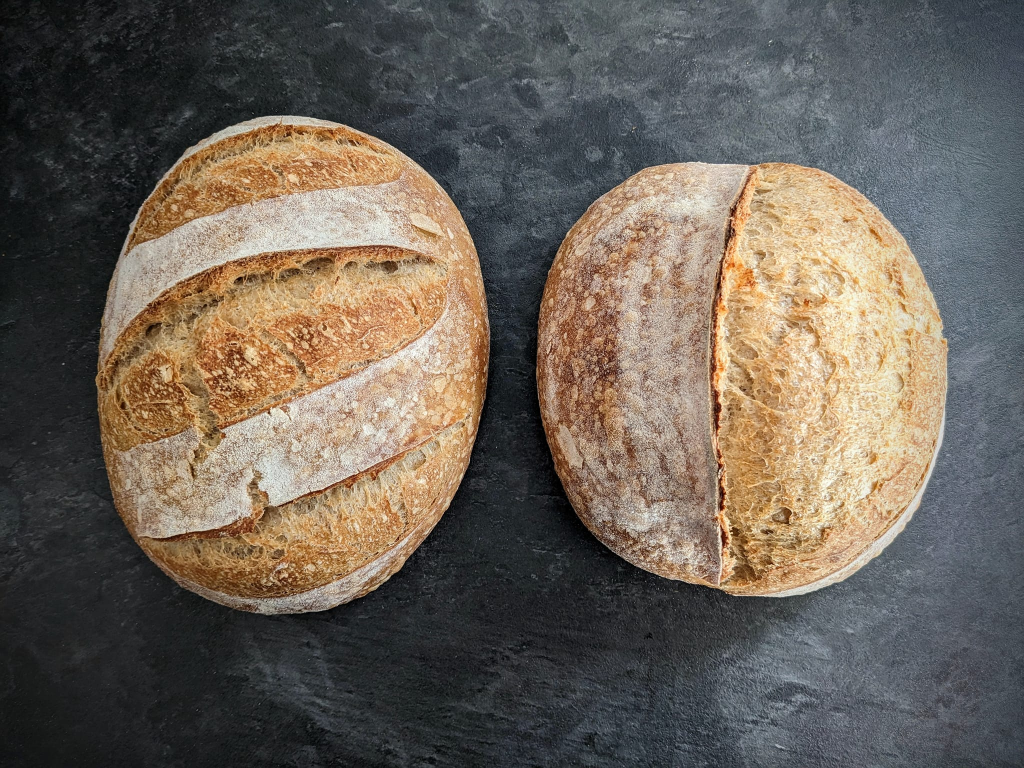
Nutrition is one of the most important artisan bread benefits.
Artisan Bread Benefits
Artisan bread, especially sourdough varieties, often offers:
- Better mineral absorption (iron, zinc, magnesium)
- Lower glycemic response
- Higher fiber content (depending on flour choice)
- Fewer empty calories
- Improved protein structure
The fermentation process reduces phytic acid, a compound that blocks mineral absorption, making nutrients more accessible to the body.
Store-Bought Bread Nutrition
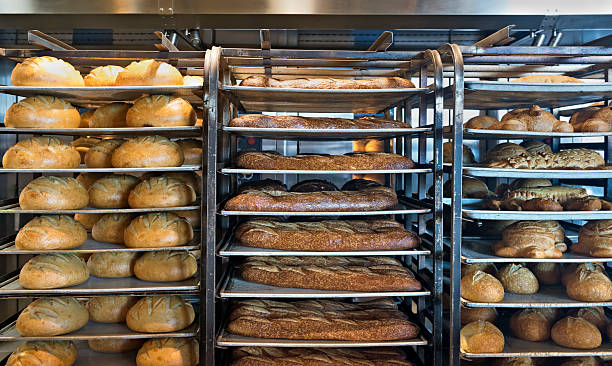
Store-bought bread often:
- Contains added sugars
- Uses refined flour stripped of nutrients
- Has higher sodium levels
- Relies on artificial fortification rather than natural nutrition
Even breads marketed as “whole wheat” may still be highly processed and lack the benefits of true whole-grain fermentation.
Flavor, Texture, and Freshness
Flavor is where the difference becomes immediately noticeable.
Artisan Bread
- Deep, complex flavor
- Crisp crust and chewy interior
- Natural aroma
- Texture that evolves as it ages
Store-Bought Bread
- Mild or bland taste
- Uniform softness
- Slight sweetness from added sugars
- Artificial consistency
Artisan bread reflects the natural qualities of its ingredients, while store-bought bread prioritizes predictability.
Make a better bread choice today. Swap store-bought bread for artisan bread and experience improved flavor, digestibility, and nutrition with every slice.!!!
Health and Digestibility
Artisan bread is generally easier to digest due to the natural fermentation process. The breakdown of gluten and starches can reduce bloating and discomfort for some people, particularly with sourdough bread.
Potential health advantages of artisan bread include:
- Improved gut health
- Better blood sugar regulation
- Reduced inflammation
- Fewer chemical additives
Store-bought bread, on the other hand, may contribute to digestive issues due to preservatives, refined carbohydrates, and rapid fermentation.
Shelf Life and Preservation

Shelf life is another key distinction.
Artisan Bread
- Short shelf life (2–3 days)
- No preservatives
- Best consumed fresh
- Can be frozen naturally
Store-Bought Bread
- Long shelf life (often 1–3 weeks)
- Preservatives prevent mold
- Maintains softness unnaturally
While longer shelf life may seem convenient, it often indicates higher levels of processing.
Environmental and Ethical Considerations
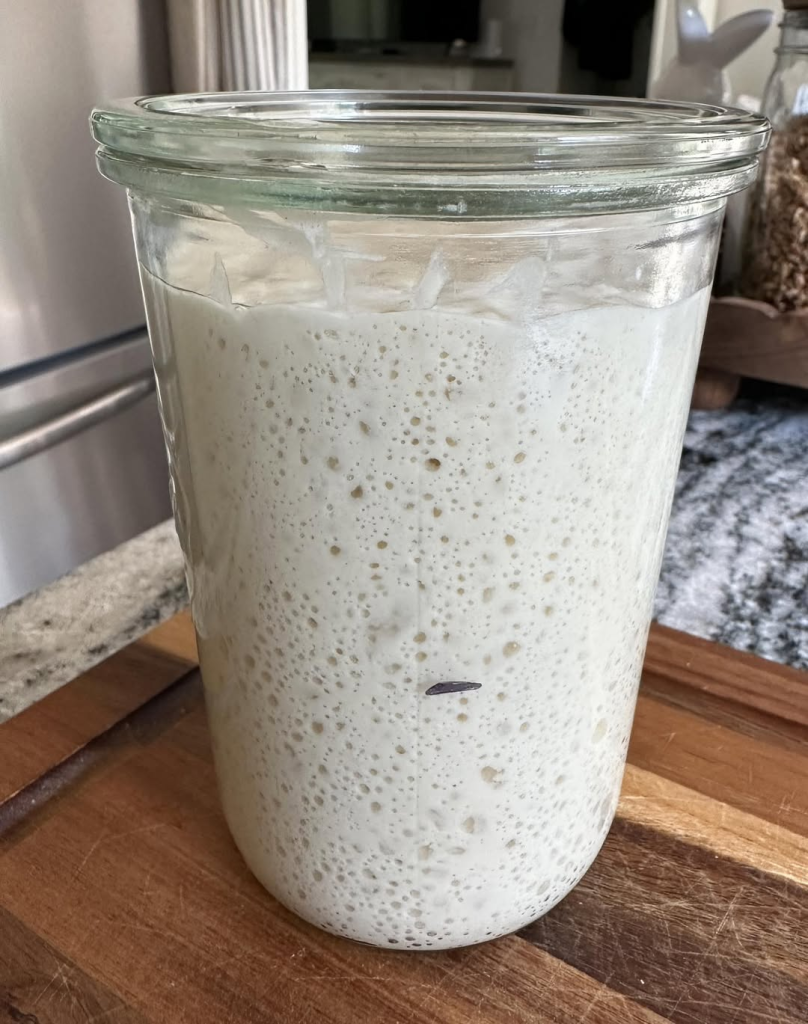
Artisan bakeries often emphasize sustainability by:
- Using locally sourced ingredients
- Producing smaller batches
- Reducing packaging waste
- Supporting local economies
Industrial bread production relies heavily on large-scale agriculture, plastic packaging, and long-distance transportation. Choosing artisan bread can align better with environmentally conscious values.
Cost vs Value
Artisan bread typically costs more than store-bought bread, but price alone does not reflect value.
When purchasing artisan bread, consumers are paying for:
- Higher-quality ingredients
- Skilled labor and craftsmanship
- Better nutrition
- Superior flavor
- Ethical and sustainable practices
Store-bought bread may be cheaper upfront, but it often provides less nutritional and sensory value per serving.
How to Identify Authentic Artisan Bread
To identify real artisan bread, look for:
- Short, recognizable ingredient lists
- Fresh daily baking
- No artificial preservatives
- Irregular shapes and natural crusts
- Local or independent bakery sources
If bread remains soft and mold-free for weeks, it is likely not artisan.
The difference between artisan bread and store-bought bread extends far beyond appearance. Artisan bread emphasizes simplicity, tradition, and quality, while store-bought bread prioritizes convenience and shelf stability.
By choosing artisan bread, consumers gain access to better ingredients, richer flavor, improved nutrition, and a more authentic food experience. For those seeking healthier and more meaningful eating habits, artisan bread represents a return to real, thoughtfully made food.
If you want to experience the true benefits of artisan bread, visit a local bakery and try freshly baked, naturally fermented bread. Explore loaves made with care, simple ingredients, and time—and taste the difference that craftsmanship makes.
To achieve softness, elasticity, and extended freshness, store-bought bread commonly relies on chemical additives and preservatives. These ingredients help bread maintain its structure and appearance over time but significantly alter its nutritional profile.
Although store-bought bread is convenient and widely available, it represents a fundamentally different approach to food production than artisan baking.
“Have questions or want to collaborate? Contact Lievito Bakery and connect with our team—we’d love to hear from you.”
Ingredient Transparency: Why It Matters

One of the most overlooked yet critical differences between artisan bread and store-bought bread is ingredient transparency.
Artisan Bread Ingredients
Artisan bread ingredient lists are short and easy to understand. Each ingredient serves a functional purpose rather than a cosmetic or preservative role. Many artisan bakeries also disclose sourcing information, such as the type of flour used or whether grains are organic or locally milled.
This transparency allows consumers to know exactly what they are eating.
Store-Bought Bread Ingredients
In contrast, store-bought bread ingredients often include substances unfamiliar to the average consumer. Emulsifiers, stabilizers, conditioners, and preservatives are added to control texture, volume, and shelf life.
The presence of added sugars—sometimes under multiple names—can significantly increase calorie content without providing nutritional benefit. For consumers seeking clean-label foods, this difference is substantial.
The Science of Fermentation
Fermentation is where artisan bread truly separates itself.
Natural Fermentation in Artisan Bread
During slow fermentation, naturally occurring bacteria and yeast produce organic acids that:
- Improve flavor complexity
- Strengthen gluten structure
- Reduce phytic acid
- Enhance mineral bioavailability
This process results in bread that is not only tastier but also easier for the body to digest.
Accelerated Fermentation in Store-Bought Bread
Industrial bread production often compresses fermentation into a short time frame using commercial yeast and chemical accelerants. While effective for speed, this approach limits biochemical development and results in a simpler, less nutritious final product.
Artisan Bread Benefits for Digestive Health
One of the most significant artisan bread benefits is improved digestibility. Slow fermentation partially breaks down gluten and complex carbohydrates, which can reduce bloating and discomfort for some individuals.
Sourdough artisan bread, in particular, has been associated with:
- Improved gut microbiome balance
- Reduced post-meal blood sugar spikes
- Better tolerance among individuals sensitive to gluten (though not suitable for celiac disease)
Store-bought bread, with its rapid fermentation and additives, is more likely to cause digestive issues for sensitive individuals.
Glycemic Index and Blood Sugar Impact
Bread can significantly affect blood sugar levels, especially when made with refined flour.
Artisan Bread and Blood Sugar
Naturally fermented artisan bread often has a lower glycemic index, meaning it causes a slower, more controlled rise in blood sugar. This is especially true for sourdough and whole-grain artisan loaves.
Store-Bought Bread and Blood Sugar
Store-bought bread frequently contains added sugars and refined carbohydrates, which can cause rapid blood sugar spikes followed by crashes. Over time, this pattern may contribute to insulin resistance and energy fluctuations.
Texture, Structure, and Mouthfeel
Texture plays a major role in how bread is experienced.
Artisan bread typically features:
- Crisp, caramelized crust
- Open, irregular crumb
- Chewy, satisfying bite
Store-bought bread is engineered for:
- Uniform softness
- Fine, closed crumb
- Minimal resistance when chewed
The structural differences reflect the methods used and the priorities of production.
Freshness vs Shelf Stability
Shelf life is often perceived as a benefit, but it comes with trade-offs.
Artisan Bread Freshness
Artisan bread is meant to be consumed fresh. Its shorter shelf life is a direct result of its natural ingredients and lack of preservatives. Many artisan loaves age gracefully, becoming ideal for toast or breadcrumbs rather than going to waste.
Store-Bought Bread Shelf Stability
Store-bought bread is designed to resist staling and mold. Preservatives allow it to remain soft for extended periods, but this softness is artificial and does not reflect freshness.
Cultural and Historical Significance

Artisan bread represents a continuation of ancient baking traditions. For centuries, bread was made locally using regional grains, water, and natural fermentation. Artisan baking preserves these cultural practices and connects consumers to food history.
Store-bought bread, while practical, represents a shift toward industrialized food systems that prioritize efficiency over tradition.
Environmental Impact of Bread Choices
Choosing artisan bread can also have environmental benefits.
Artisan bakeries often:
- Source ingredients locally
- Produce smaller batches to reduce waste
- Use minimal packaging
- Support sustainable farming practices
Industrial bread production relies heavily on monoculture farming, plastic packaging, and long-distance transportation, contributing to higher environmental costs.
Economic and Community Value

Buying artisan bread supports local businesses and skilled labor. Artisan bakeries often reinvest in their communities, hire locally, and contribute to regional food economies.
Store-bought bread profits typically flow to large corporations with limited local economic impact.
Cost Analysis: Price vs Quality
While artisan bread may cost more per loaf, its value extends beyond price.
Artisan bread offers:
- Higher nutrient density
- Greater satiety
- Enhanced flavor
- Ethical and environmental benefits
Store-bought bread may be cheaper initially, but its lower nutritional value can result in consuming larger quantities to feel satisfied.
How to Read Bread Labels Like a Pro
To make informed choices, consumers should learn to read bread labels critically.
Look for:
- Short ingredient lists
- No added sugars
- No chemical preservatives
- Whole grains listed as the first ingredient
Marketing terms like “natural” or “multigrain” do not guarantee quality.
How to Transition from Store-Bought to Artisan Bread
For those accustomed to store-bought bread, transitioning to artisan bread can be gradual:
- Start with sandwich-friendly artisan loaves
- Try sourdough for digestibility
- Freeze portions to extend freshness
- Use day-old bread creatively
This approach makes artisan bread accessible and practical.
The difference between artisan bread and store-bought bread reflects two fundamentally different philosophies of food. Artisan bread prioritizes quality, tradition, nutrition, and craftsmanship, while store-bought bread focuses on convenience and scalability.
By understanding these differences, consumers can make more informed choices that align with their health goals, values, and appreciation for real food.