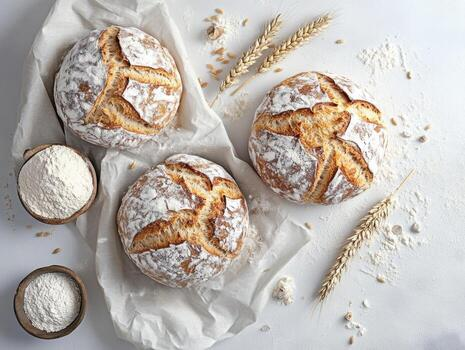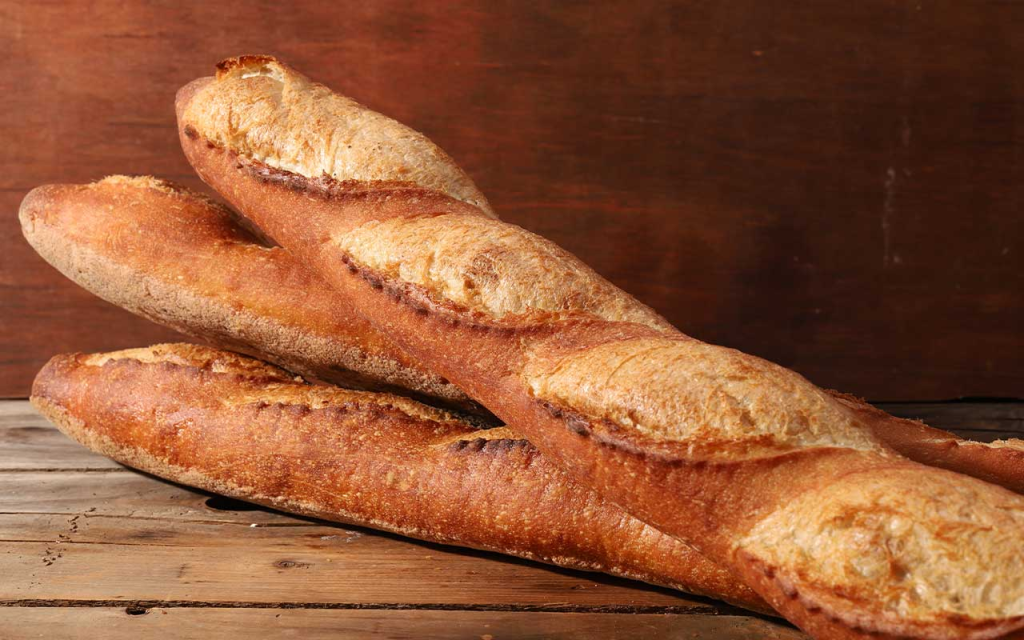
It stops you in your tracks. It feels comforting, familiar, and deeply satisfying—even before you take a bite. And when do you take that first bite? The contrast between a crisp crust and a soft, flavorful interior is hard to beat.
But fresh bread doesn’t just feel better.
It actually tastes better for scientific reasons.
At Lievito Bakery, we believe understanding why fresh, artisan bread tastes better helps people appreciate it more—and make better choices about what they eat every day. You don’t need to be a food scientist or a professional baker to understand it. You just need a little curiosity.
Let’s break down the science behind artisan baking and why freshly baked bread is in a completely different category from mass-produced loaves.
New to artisan bread? Stop by Lievito Bakery to learn more about our process, ingredients, and daily bakes:
Freshness and flavor
Bread is alive—at least for a short time.
Right after baking, bread goes through a process called aroma release, where hundreds of flavor compounds created during baking are at their peak. These compounds come from reactions between proteins and sugars, known as the Maillard reaction, which gives bread its rich, toasted flavor and golden crust.
Over time, these compounds fade.
That’s why bread baked that morning tastes dramatically better than bread baked weeks ago—even if it looks the same.
“Freshly baked bread contains volatile aromatic compounds that begin breaking down within hours. The sooner you eat it, the more flavor your brain perceives.”
— Dr. Emily Buehler, Food Scientist & Author
Mass-produced bread is designed to last, not to shine in those first few hours. Artisan bread is designed to be enjoyed at its peak, when flavor and texture are fully alive.
Fermentation
One of the biggest differences between artisan bread and commercial bread is time.
Artisan bread relies on slow fermentation, often lasting 12 to 48 hours. This allows natural yeast and bacteria to break down starches and proteins gradually, creating deeper flavor and better texture.
During fermentation:
Natural acids develop, adding complexity
Gluten becomes more digestible
Sugars are released slowly, enhancing sweetness
Commercial bread shortcuts this process, often fermenting for less than an hour. The result is bread that’s soft, but bland.
“Flavor in bread is built during fermentation. Without enough time, you’re missing most of what makes bread taste like bread.”
— Chad Robertson, Artisan Baker & Author
At Lievito Bakery, fermentation isn’t rushed—because flavor can’t be rushed.
Curious to taste the difference for yourself?
Visit Lievito Bakery and explore our freshly baked artisan breads!!
Curious to taste it for yourself?
Visit Lievito Bakery and explore our freshly baked artisan breads!!
Ingredients matter more than you think
Fresh bread tastes better because it starts with real ingredients.
Artisan bakeries typically use:
Flour
Water
Salt
Natural yeast or sourdough starter
That’s it.
Commercial bread often includes:
Preservatives
Dough conditioners
Added sugars
Artificial flavors
These additives extend shelf life, but they also mute natural flavor.
When bread is made with simple ingredients, every element has a purpose. The flour’s quality shows. The fermentation shines. The crust develops naturally.
Fresh bread doesn’t need to hide behind additives—it stands on its own.

Texture is Science too
Taste isn’t just about flavor—it’s also about texture.
Fresh artisan bread has:
A crisp, crackling crust
An airy, open crumb
Natural moisture without gumminess
This texture comes from proper hydration, fermentation, and baking at high temperatures.
As bread ages, starch molecules recrystallize in a process called staling. This happens even if bread is wrapped tightly. Refrigeration actually speeds it up.
Fresh bread avoids this problem entirely. It’s meant to be eaten soon, shared, and enjoyed while it’s still at its best.
Why artisan bread Can fit

Fresh bread isn’t just for special occasions.
It makes everyday meal better
Toast that actually crunches
Sandwiches with structure and flavor
Simple meals that feel complete
Because artisan bread is more flavorful, people often eat less of it, but enjoy it more. It’s satisfying in a way that overly processed bread rarely is.
This is one reason artisan bread fits naturally into healthier lifestyles and preparedness-focused kitchens. It’s real food, made the way bread has been made for centuries.
Infographic: The Science of Fresh Artisan Bread
Fresh Artisan Bread vs. Commercial Bread
Longer fermentation = more flavor
Fewer ingredients = cleaner taste
No preservatives = peak freshness
Small batches = better texture control
Fresh Bread Is Worth Understanding
Fresh bread tastes better because it’s allowed to be what bread is meant to be.
It’s not rushed.
It’s not over-engineered.
It’s not designed to sit on a shelf for weeks.
At Lievito Bakery, we bake with science, tradition, and care—because we believe people deserve bread that tastes alive, nourishing, and real.
Once you understand the science behind artisan baking, it’s hard to go back.

New to artisan bread? Stop by Lievito Bakery to learn more about our process, ingredients, and daily bakes: